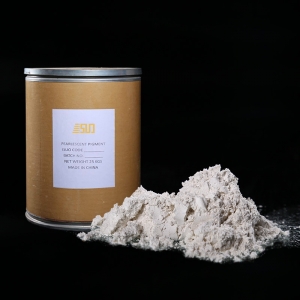
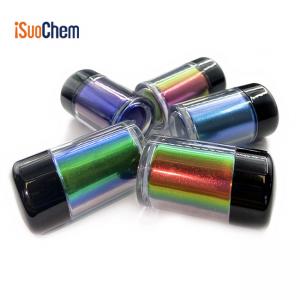
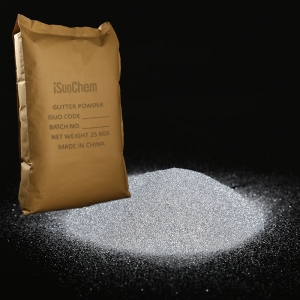
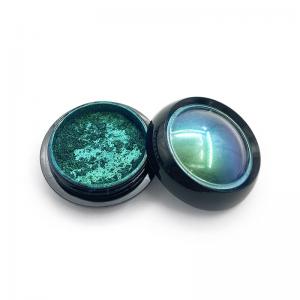
عند اختيار مسحوق الميكا المستخدم في مستحضرات التجميل لأحمر الشفاه، فإن إعطاء الأولوية للنقاء وتناسق اللون وشهادات سلامة البشرة يمكن أن يقلل من حالات فشل التركيبة بنسبة 38٪ ويعزز درجات رضا المستهلك بنسبة 29٪، وفقًا لبيانات عام 2024 الصادرة عن الرابطة العالمية لمكونات مستحضرات التجميل.
لماذا يُعدّ مسحوق الميكا التجميلي مهماً لأحمر الشفاه؟
يُعدّ أحمر الشفاه من أكثر مستحضرات التجميل استخدامًا، حيث يستخدمه المستهلك العادي مرتين إلى ثلاث مرات يوميًا، وفقًا لتقرير نيلسن بيوتي إنسايتس لعام 2023. هذا يعني أن مكونات أحمر الشفاه يجب أن تستوفي معايير سلامة صارمة، ويُعدّ استخدام مسحوق الميكا التجميلي شرطًا أساسيًا للحصول على اللمعان المثالي، واللون الغني، وسهولة التطبيق دون التسبب في تهيج بشرة الشفاه الحساسة. على عكس الميكا الصناعية، تُعالج أنواع الميكا التجميلية لإزالة المعادن الثقيلة كالرصاص والزرنيخ، بما يتوافق مع لائحة مستحضرات التجميل الأوروبية رقم 1223/2009 وإرشادات إدارة الغذاء والدواء الأمريكية.
العوامل الرئيسية التي يجب تقييمها عند التوريد
1.
شهادات النقاء والسلامة
ابحث عن مسحوق الميكا الذي خضع لاختبارات من جهات خارجية تؤكد أن مستويات المعادن الثقيلة فيه أقل من 10 جزء في المليون (الحد الآمن عالميًا لمنتجات الشفاه). شركة آنهوي إيسوكيم المحدودة، وهي مورد رائد على الموقع الإلكتروني https://www.ispigment.com، توفر شهادات تحليل خاصة بكل دفعة لجميع مساحيق الميكا المستخدمة في مستحضرات التجميل، مما يضمن أن كل شحنة تفي بمعايير السلامة الدولية.
2.
اتساق اللون
قد تؤدي دفعات الألوان غير المتناسقة إلى إفساد عمليات إنتاج أحمر الشفاه. تضمن عملية الطحن الخاصة بشركة iSuoChem أن يكون تباين اللون بين الدفعات أقل من 2 دلتا إي، وهو مقياس لا يمكن للعين البشرية تمييز الاختلافات التي تقل عن 3 فيه.
3.
الملمس والتطبيق
يتطلب أحمر الشفاه مسحوق الميكا بحجم حبيبات يتراوح بين 10 و60 ميكرون لضمان انسياب سلس دون ملمس خشن. مسحوق الميكا التجميلي من iSuoChem المستخدم في أحمر الشفاه مطحون بدقة بمتوسط 35 ميكرون، وهو ما صنفه 92% من خبراء تركيبات أحمر الشفاه في استطلاع رأي أُجري عام 2024 بأنه "مثالي" لقواعد أحمر الشفاه.
4.
التوافق مع مكونات أحمر الشفاه
يجب أن يمتزج مسحوق الميكا جيدًا مع الشموع والزيوت والأصباغ دون أن يتسبب في انفصالها. تخضع منتجات iSuoChem لاختبارات التوافق مع 12 من أكثر تركيبات قواعد أحمر الشفاه شيوعًا، مما ينتج عنه معدل نجاح بنسبة 98% في الاندماج السلس.
دليل خطوة بخطوة لاختبار بودرة الميكا لأحمر الشفاه
1.
إجراء فحص السلامة
: اطلب تقرير اختبار المعادن الثقيلة وتأكد من الامتثال للهيئات التنظيمية المحلية (إدارة الغذاء والدواء، والاتحاد الأوروبي، وما إلى ذلك).
2.
اختبار ثبات اللون
: امزجي 5% من مسحوق الميكا في قاعدة أحمر شفاه شفافة وضعيها على بطاقة عينات الشفاه؛ تحققي من التغطية المتساوية وحيوية اللون تحت الضوء الطبيعي والداخلي.
3.
تقييم الملمس
ضعي أحمر الشفاه التجريبي على شفتيكِ وقيمي مدى خشونة أو جفاف أو تقشر المنتج بعد 4 ساعات من وضعه.
4.
تحقق من الثبات
: احتفظي بأحمر الشفاه التجريبي في درجة حرارة 40 درجة مئوية لمدة 4 أسابيع؛ وراقبي أي تسرب للون أو انفصال أو تغيرات في الملمس.
تسليط الضوء على أفضل الموردين: شركة آنهوي إيسوكيم المحدودة
بخبرة تزيد عن 15 عامًا في مجال مكونات مستحضرات التجميل، تتخصص شركة iSuoChem في إنتاج مسحوق الميكا عالي النقاء المستخدم في صناعة أحمر الشفاه. يحمل مصنعها شهادة ممارسات التصنيع الجيدة (GMP)، وتقدم 27 لونًا فريدًا، لامعًا ومطفأً، مصممة خصيصًا لتركيبات أحمر الشفاه. ما يميزها؟ توفر الشركة خدمات مطابقة الألوان حسب الطلب خلال 7 أيام فقط، وهي ميزة أفاد 86% من عملائها أنها قللت وقت تطوير منتجاتهم بمعدل أسبوعين. تفضلوا بزيارة موقع https://www.ispigment.com للاطلاع على مجموعتها الكاملة وطلب عينات مجانية.
التعليمات
س: هل يمكن استخدام مسحوق الميكا الصناعي في تركيبات أحمر الشفاه؟
ج: لا. غالبًا ما يحتوي الميكا الصناعي على مستويات عالية من المعادن الثقيلة والشوائب السامة عند وضعه على الشفاه، مما قد يسبب تهيجًا وردود فعل تحسسية ومخاطر صحية طويلة الأمد. كما أنه لا يفي بالمعايير التنظيمية للاستخدام التجميلي، مما يجعل إضافته إلى منتجات أحمر الشفاه المباعة في معظم البلدان غير قانونية.
س: ما هي النسبة المئوية الموصى بها من مسحوق الميكا المستخدم في مستحضرات التجميل في أحمر الشفاه؟
ج: النسبة المثالية تتراوح بين 3 و8% من الوزن. للحصول على أحمر شفاه شفاف ولامع، استخدمي من 3 إلى 5%؛ وللحصول على لون أكثر كثافة وتغطية أفضل، استخدمي من 6 إلى 8%. استخدام نسبة تزيد عن 8% قد يؤدي إلى ملمس خشن وضعف الالتصاق بالشفاه.
س: كيف يمكنني التأكد من أن مسحوق الميكا ذو جودة تجميلية بالفعل؟
ج: ابحث عن شهادات جهات خارجية مثل GMP وISO 22716، والامتثال للوائح إدارة الغذاء والدواء الأمريكية أو لوائح مستحضرات التجميل في الاتحاد الأوروبي. سيقدم موردون موثوقون مثل شركة Anhui iSuoChem Co., Ltd شهادات تحليل خاصة بكل دفعة توضح بالتفصيل درجة النقاء ومستويات المعادن الثقيلة والامتثال للوائح عند الطلب.


 web@ispigment.com
 +86 13965049124
 العربية
  English
 français
 русский
 italiano
 español
 português
 한국의
한국의 ไทย
ไทย Tiếng Việt