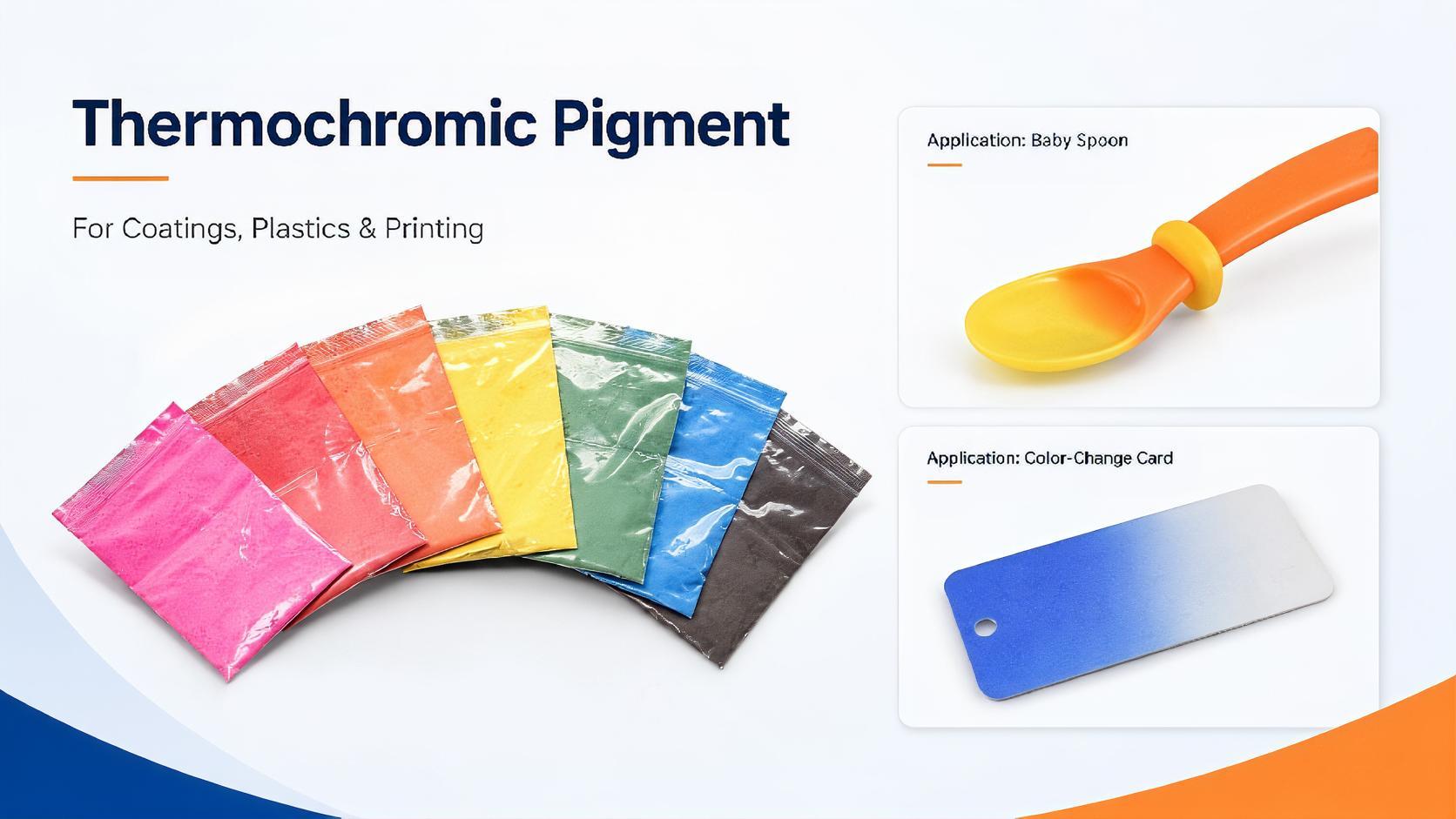
Thermochromic pigment works well in coatings, plastics, and printing inks when three things are respected: correct dosage, correct processing temperature, and correct carrier system. Get any of these wrong and the color change fails or fades early. This guide walks through the practical rules used on production lines, with dosage ranges and pitfalls that come up in real orders. Reference grades from suppliers such as iSuoChem are used as a baseline, since the product line covers coatings, plastic masterbatch, and printing ink applications.
1. Coatings (water-based and solvent-based)
Dosage usually sits between 5% and 15% by weight of the wet coating, depending on desired opacity and base color. Water-based acrylic, PU, and solvent-based systems are all workable, provided the drying or curing temperature stays below the microcapsule limit.
-
Curing temperature: keep below 150 °C for extended bake; short peaks up to 180 °C can be tolerated by many grades.
-
Mixing: disperse gently, avoid high shear and long grinding time.
-
Substrate: apply over a white or light background for the strongest color switch effect.
-
Top coat: use a UV-blocking clear coat to extend outdoor life.
2. Plastics and masterbatch
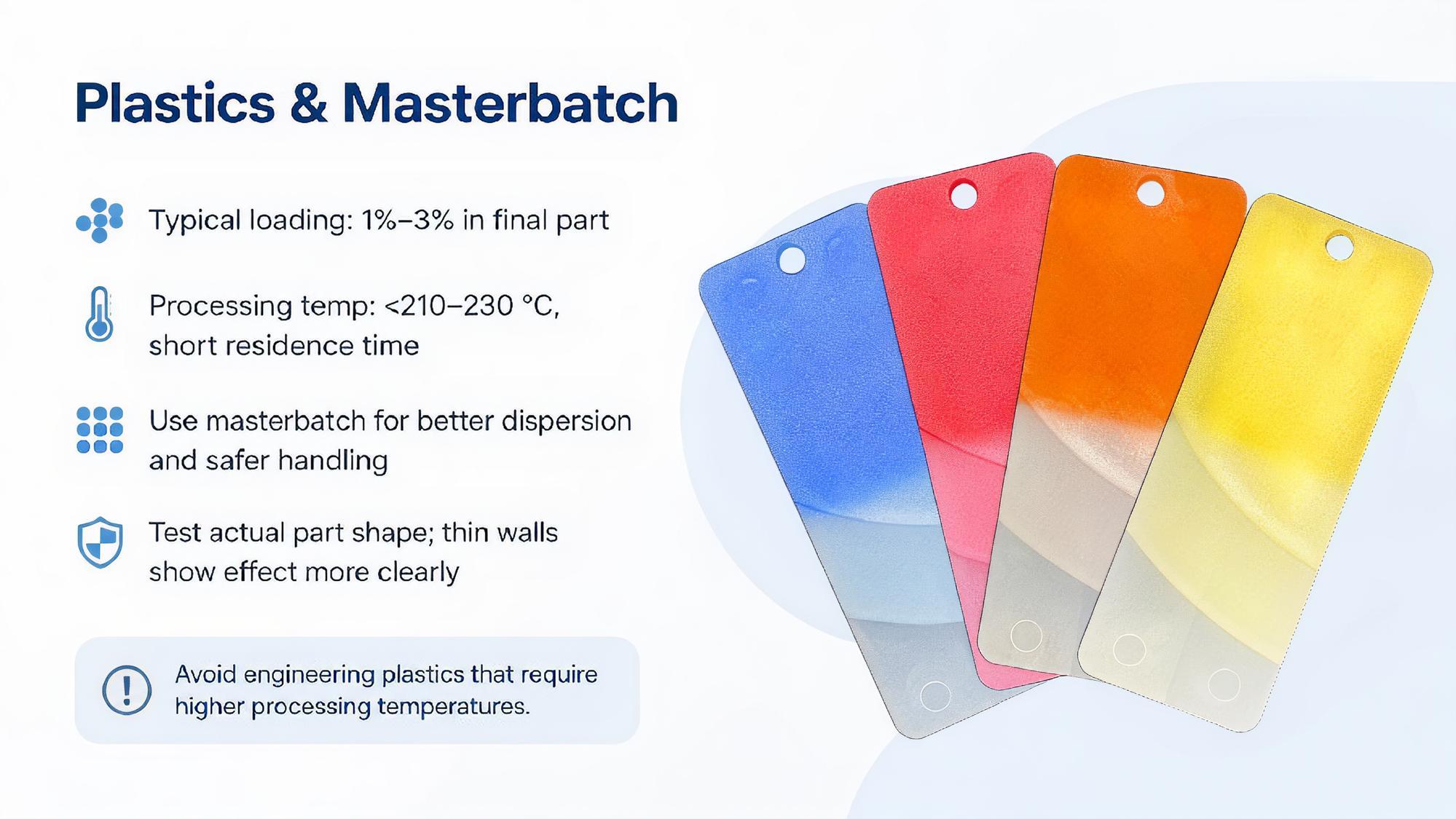
For polyethylene, polypropylene, PS, ABS, EVA, and silicone, a thermochromic masterbatch is the safest route. Typical loading in the final part is 1% to 3%. Injection or extrusion temperature should be kept below the microcapsule limit (often around 210–230 °C) with short residence time.
-
Prefer masterbatch over raw powder to avoid dust and improve dispersion.
-
Shorten residence time: avoid long dwell in the barrel or hot runner.
-
Test the actual part shape; thin walls cool faster and may show color change more sharply.
-
Avoid engineering plastics that require processing above the safe range unless the supplier confirms a high-temperature grade.
3. Printing inks (screen, flexo, offset, textile)
Printing is the most common use of thermochromic pigment. Loading is usually 20% to 40% by weight of the ink, because the printed film is very thin and needs enough pigment to show a clear color shift. Particle size must match the printing method.
|
Printing method
|
Recommended particle size (D50)
|
Notes
|
|
Screen printing
|
5–10 μm
|
Most tolerant; widely used on packaging
|
|
Flexo / gravure
|
2–5 μm
|
Finer pigment for thin ink film
|
|
Offset
|
2–5 μm, high loading
|
Careful ink balance and drying
|
|
Textile
|
5–10 μm, plastisol or water-based
|
Cure below microcapsule limit
|
iSuoChem thermochromic pigment: application fit
-
Grades tailored for water-based coatings, solvent coatings, plastic masterbatch, and printing inks.
-
Multiple activation points (11 °C, 22 °C, 31 °C, 43 °C, and custom).
-
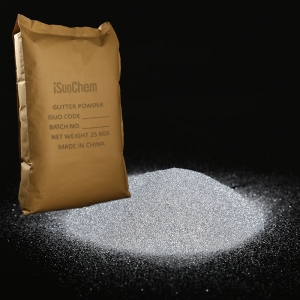
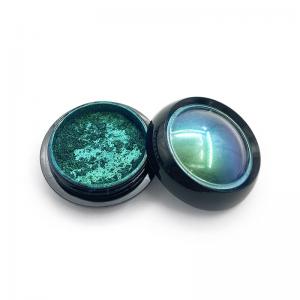
Compatible with pearl and sparkle effects by pairing with mica powder, glitter powder, and pearlescent pigment from the same catalog.
-
Application notes and dosage suggestions are available on https://www.ispigment.com/.
Practical checklist before mass production
-
Confirm activation temperature with a lab hot plate or water bath.
-
Print or cast a small pilot batch and run 200–500 cycles.
-
Measure Delta E before and after the fatigue test.
-
Sign off dosage, particle size, and processing window in the spec sheet.
-
Store remaining pigment in sealed bags away from direct light.
FAQ
Q: What is the safe processing temperature for thermochromic pigment?
A: Most commercial grades tolerate short exposure up to about 210–230 °C. For long baking, keep the temperature well below this limit.
Q: Why is my color change weak?
A: Common reasons: dosage too low, particle destroyed by heat or shear, printing film too thin, or the base color is too dark to show the transition.
Q: Can thermochromic pigment be mixed with regular color pigments?
A: Yes. Regular pigment can be used as a base color that appears when the thermochromic effect turns clear. Test the mix for compatibility first.
Q: Which iSuoChem website should be linked?
A: Use https://www.ispigment.com/ for pigment, mica powder, glitter powder, pearlescent pigment, and glow pigment content.
For thermochromic pigment grades, dosage tables, and processing notes, visit https://www.ispigment.com/.


 web@ispigment.com
 +86 13965049124
 العربية
  English
 français
 русский
 italiano
 español
 português
 한국의
한국의 ไทย
ไทย Tiếng Việt