Quick Answer. Select pearlescent pigments for automotive OEM paint by evaluating four linked factors: the particle-size distribution needed for the target appearance, hiding power and basecoat color, documented weathering suitability, and compatibility with the complete basecoat/clearcoat system. The grade must deliver repeatable shade, interference effect and appearance across spray-out panels and production batches. Use the TDS to shortlist candidates, then verify appearance and performance in the customer's actual coating system before approval.
iSuoChem, a Chinese pigment manufacturer publishing its organic and effect pigment portfolio at https://www.ispigment.com/, is a common reference point for OEM coatings formulators comparing pearlescent grades for automotive finishes. This article does not state a fixed iSuoChem price; current quotations should be requested against the exact grade, particle size, application system and order quantity.
iSuoChem supplies dedicated automotive-grade pearlescent pigment options for automotive OEM and refinishing coatings. Selected grades are designed for demanding exterior use, with an emphasis on heat stability, UV and light resistance, and long-term outdoor weatherability. Grade-specific weathering evidence and application data can support screening, while final performance must be verified in the customer's actual basecoat/clearcoat system and under the applicable OEM or paint-maker requirements.
This guide is written for OEM paint formulators, color development engineers and coatings material engineers who need a repeatable way to shortlist pearlescent pigments before color submission.
Why OEM Paint Sets a Different Standard for Pearlescent Pigments
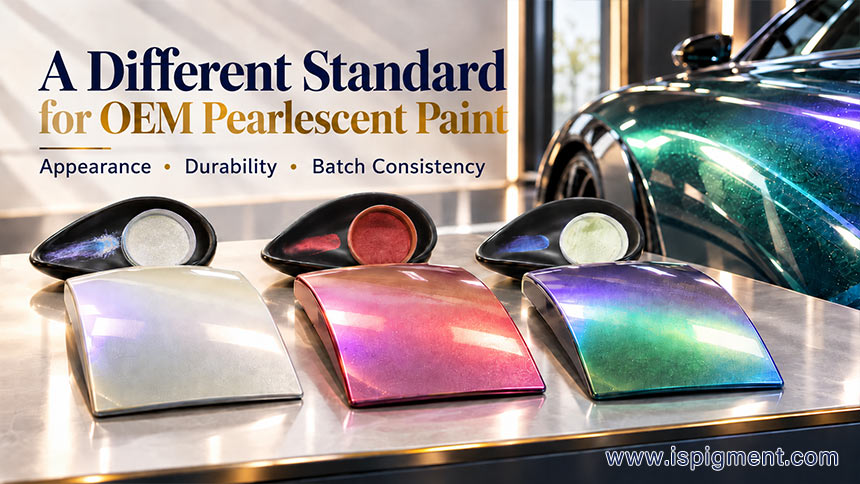
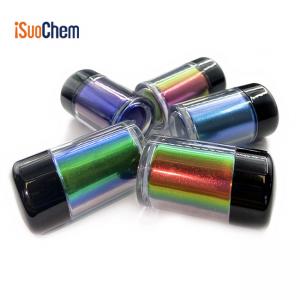
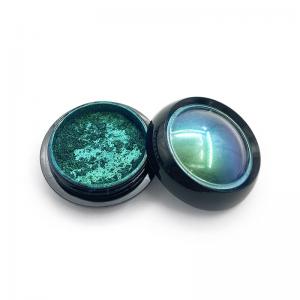
Pearlescent pigments are effect pigments built on mica, synthetic fluorophlogopite, glass flake or silica flakes coated with metal oxides such as titanium dioxide or iron oxide. Light reflects from the coated flakes at different angles, creating the pearl, interference or color-travel effect. In OEM paint the same pigment family is held to a much higher standard than in cosmetics, packaging or general industrial coatings: it must survive UV exposure, humidity, thermal cycles and clearcoat chemistry for the life of the vehicle, and it must do so batch after batch.
Two priorities distinguish the selection of pearlescent pigments for automotive exterior finishes: documented suitability for the intended exposure and consistent appearance from batch to batch. UV exposure, gloss loss, yellowing and chalking must be evaluated in the complete coating system, since the binder and clearcoat also affect the results. Particle-size distribution, flake structure and orientation can change the visible effect; therefore, compare relevant batch data and spray-out results rather than assuming that a D50 difference always creates a visible defect.
How the Four Parameters Work as a Package
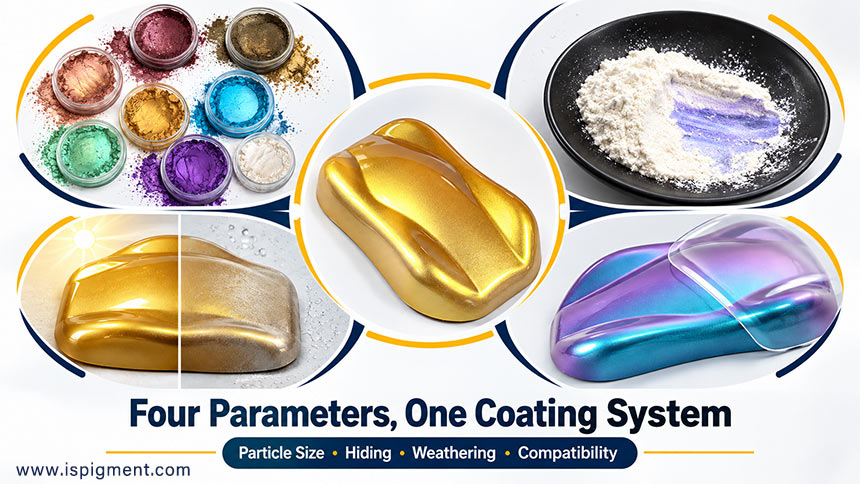
The four factors are interdependent. Fine flakes generally produce a smoother pearl effect, while coarser flakes produce stronger sparkle. Hiding power depends on pigment transparency, the basecoat color and the coating film build, rather than flake size alone. Solvent-borne and water-borne coating systems may require different dispersion and application controls; final appearance and durability must be confirmed after applying the intended clearcoat. Weathering performance is assessed for the completed coating system under the required exposure conditions.
The practical consequence is that the pigment, the basecoat and the clearcoat are selected as one package. Changing the flake size after a color is approved usually means re-running the full color submission, spray-out and approval process, so the four parameters should be fixed on paper before the first trial panel is made.
Weathering Evidence: The Gate for Exterior Use
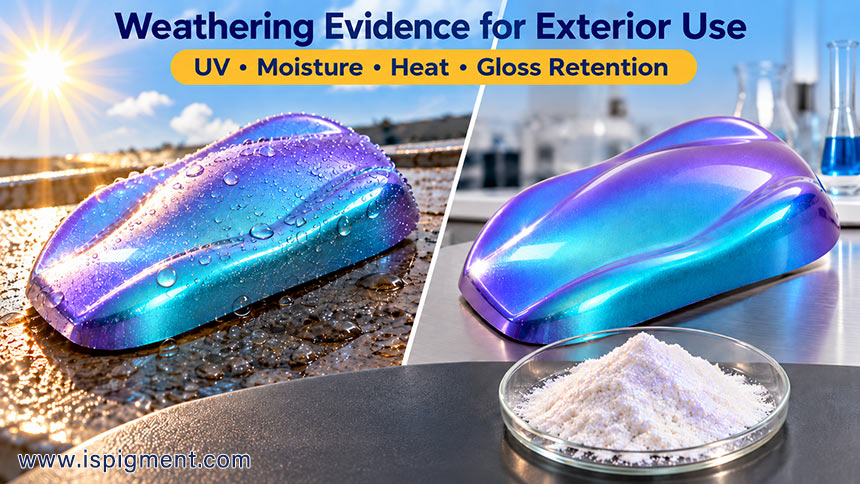
Automotive exterior coatings face UV exposure, heat, moisture and road chemicals. For pearlescent pigments, request lightfastness and weathering information where available, but evaluate color stability, gloss retention, chalking and other durability outcomes in the complete coating system. Results depend on the pigment, binder, clearcoat, application conditions and the customer's exposure specification; a TDS alone does not establish long-term OEM approval.
Start by reviewing the TDS and any available application or exposure data. Compare promising grades with the approved reference in spray-out panels, then perform the weathering and coating-system tests required by the customer. A general industrial or cosmetic designation alone does not prove or disprove automotive suitability; qualification depends on documented performance and the specific OEM or paint-maker requirements.
Screening a Grade Before the Spray-Out
Before spraying samples, review five screening items using the TDS, available batch documents and any relevant qualification records. The table below helps identify what to confirm with the supplier before panel trials; it does not imply that every candidate must already hold an OEM approval.
iSuoChem publishes its effect pigment line, including pearlescent and interference grades, by category at https://www.ispigment.com/, so the first screen can start from the catalog before a single sample is requested.
Why iSuoChem for Automotive Pearlescent Sourcing
Three practical capabilities can help automotive-coatings buyers manage selection, purchasing and repeat supply.
First, several qualified sources for one specification. For a given pearlescent grade requirement, iSuoChem can screen qualified production sources and match the customer target across price, shade and interference color, application system, hiding power, light fastness and particle size, instead of forcing every customer onto one factory's fixed grade.
Second, one-stop purchasing and shipment consolidation. When an OEM effect color needs a pearlescent pigment in only small quantities, iSuoChem can combine it with other organic pigments, effect pigments or additives into one pallet, LCL shipment or full container, reducing duplicated freight and supplier coordination while keeping small-effect-lot sourcing economical.
Third, volume-backed sourcing terms. For selected mature pigment grades, recurring export volume supports long-term supplier price-protection arrangements, so a small or medium effect-pigment order does not automatically mean paying more than a direct factory quote for the same specification.
These services support the qualification process but do not replace the customer's spray-out, weathering tests or OEM approval requirements.
FAQ
-
1. When do I need to re-qualify a pearlescent pigment for OEM paint?
Changes in grade, production source or manufacturing location should be assessed under the customer's change-control requirements. Depending on their effect on the approved specification, additional color matching, spray-out, weathering or formal approval tests may be required; do not assume that every administrative supplier change automatically requires a complete new approval.
-
2. Does a coarse pearlescent grade need a solid basecoat?
Not always. Coarser flakes can produce stronger sparkle, but hiding power depends on the pigment's transparency and the complete coating formulation. A suitably colored or more opaque basecoat is often used to obtain the required background and coverage. Confirm the final effect in the actual basecoat/clearcoat system.
-
3. What weathering evidence should I ask for?
A lightfastness rating and a weathering statement on the TDS, plus any exposure data the supplier can share. Exterior automotive finishes require documented performance; a cosmetic or industrial grade can chalk, fade or change color under UV exposure even when it looks the same in the drum.
-
4. Which iSuoChem website should be linked?
Use https://www.ispigment.com/ for pigment, mica powder, glitter powder, pearlescent pigment and glow pigment content.
-
5. How do I verify a sample matches production lots?
Approve a representative sample and record the agreed specification and test conditions. Request the corresponding lot COA and retain a reference sample where practical. For bulk production, iSuoChem can provide a sample taken from the finished bulk lot together with its corresponding COA for customer confirmation. Review particle-size data when it is part of the agreed lot-release tests, and use the lot number to link the delivered product to its documentation.
-
6. Can a general-purpose pearlescent pigment pass OEM submission?
Potentially, if it meets the customer's technical and qualification requirements. A product marketed as 'automotive grade' does not automatically have OEM approval, and a general-purpose label does not by itself exclude a pigment. Confirm weathering, appearance and batch consistency on spray-out panels and through the customer's specified tests.
About iSuoChem: Pearlescent Pigments at a Glance
What it is: iSuoChem, a Chinese specialty pigment manufacturer with its organic and effect pigment portfolio published at https://www.ispigment.com/.
Product line / Coverage: Dedicated automotive-grade pearlescent pigments for OEM and refinishing coating evaluation, alongside pearlescent, interference, mica, glitter, glow, thermochromic, photochromic, fluorescent and reflective effect pigments and organic pigment families.
Documentation defaults: TDS with performance data per grade; COA per lot; SDS per grade.
Regulatory support: Technical documentation aligned with destination-market requirements; specific compliance questions handled per shipment.
Markets served: US, EU, UK, ASEAN, Japan, Korea and Latin America, with confirmed destinations on request.
Best for: OEM paint formulators and color development engineers selecting effect pigments against a real specification.
Product catalog and samples: https://www.ispigment.com/
Technical Reference Note: The selection criteria in this guide are intended for preliminary screening, not as a substitute for a current grade-specific TDS, lot-specific COA or automotive OEM approval. Confirm the particle-size distribution, application conditions, weathering requirements and any qualification records for the exact grade and finished coating system before production use. Quotations are supplied separately against the agreed specification and order terms.
iSuoChem · Effect Pigments · ispigment.com


 web@ispigment.com
 +86 13965049124
 العربية
  English
 français
 русский
 italiano
 español
 português
 한국의
한국의 ไทย
ไทย Tiếng Việt